A Working Library
I've always loved reading for the way it allows us to step outside our own experiences while, often unexpectedly, bringing us closer to understanding them. There's something remarkable about finding language for a feeling you haven't quite been able to articulate, encountering a perspective that challenges your own, or recognizing something deeply familiar in someone else's story. I think reading invites a particular kind of curiosity, one that asks us to sit with complexity, tolerate uncertainty, and remain open to what we don't yet understand.
This is a growing collection of books that have stayed with me, challenged my thinking, or offered new ways of understanding ourselves and one another. Some speak directly to psychology and psychoanalysis, while others explore identity, relationships, art, feminism, and the complexities of being human.
These aren't necessarily recommendations or prescriptions, but rather a glimpse into the ideas and voices that continue to shape my curiosity, both personally and professionally. Some I've returned to more than once, others have simply left a lasting impression. All have given me something worth thinking about long after I've turned the final page.

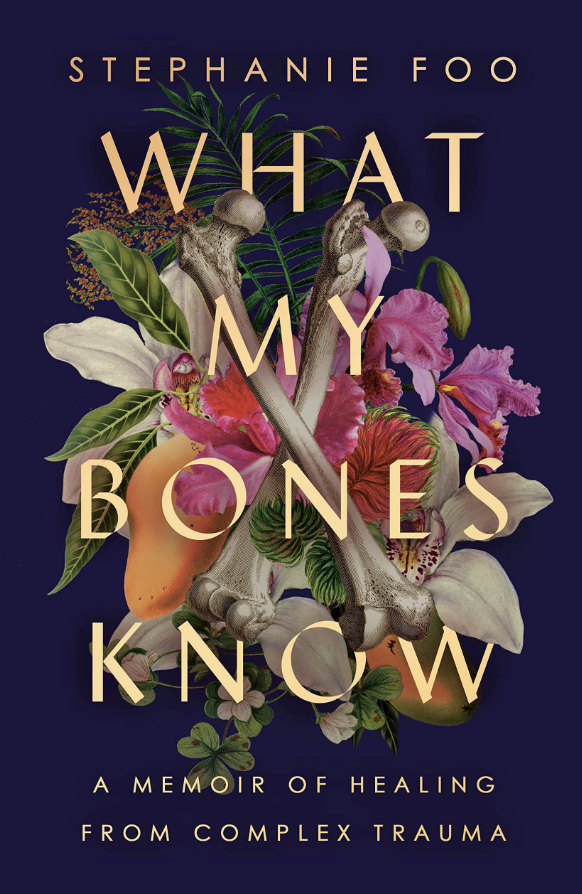
What My Bones Know Stephanie Foo
A deeply personal exploration of complex trauma, attachment, and the lasting influence of our earliest experiences on identity, relationships, and healing.
Why It Stayed With Me
What stayed with me most was Foo's ability to articulate the ways our histories continue to live within us, often long before we have the language to understand them. I was particularly moved by her honesty about the contradictions of healing: how insight doesn't necessarily resolve suffering, how progress can coexist with pain, and how deeply our relationships shape both our wounds and our capacity for repair. Her writing is at once vulnerable, funny, and remarkably perceptive. I appreciated that she doesn't offer a neatly resolved story of recovery, but something far more human: an ongoing process of learning to live with, rather than simply overcome, the experiences that have shaped us.
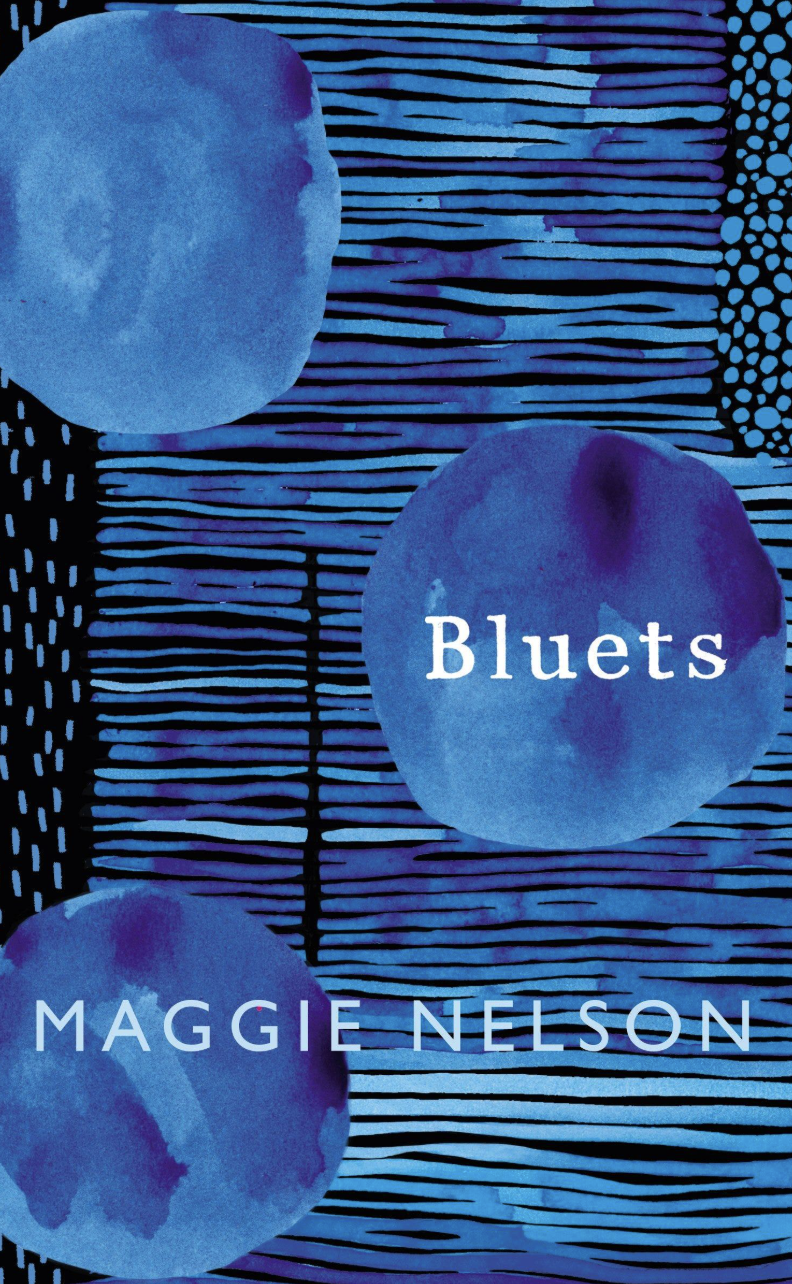
Bluets Maggie Nelson
A poetic meditation on grief, longing, and desire, exploring the intersections of art, beauty, and the complexities of human emotion.
Why It Stayed With Me
What I loved most about Bluets was how deeply personal it felt, even when Nelson was writing about something as seemingly simple as the color blue. Having always been drawn to art and the ways we find meaning in what we see, I found something particularly moving about her ability to turn an aesthetic fascination into an exploration of love, loss, and longing. I loved that the book doesn't try to make sense of everything or offer some profound resolution. Instead, it captures the strange, beautiful, and sometimes painful ways our minds wander, make connections, and find meaning in unexpected places. It reminded me of why I love both art and reading in the first place.
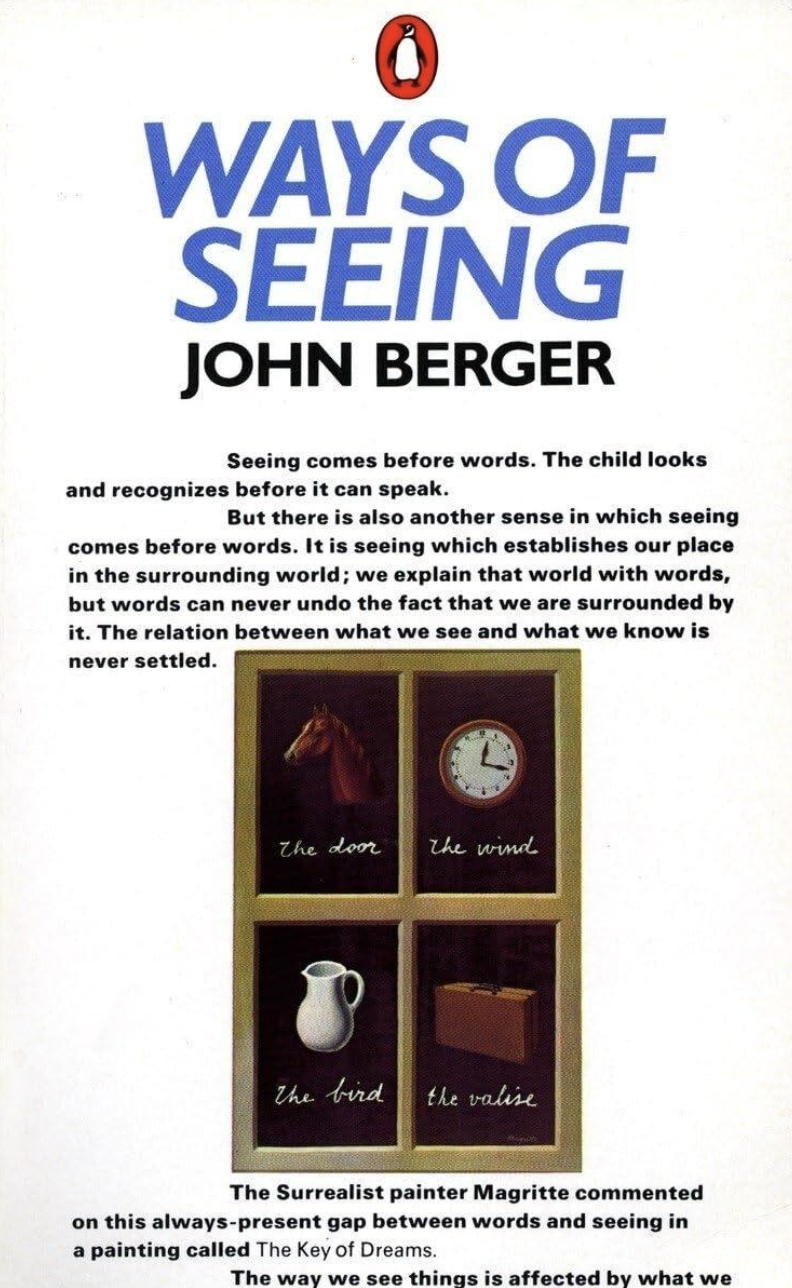
Ways Of Seeing John Berger
A thought-provoking exploration of how we look at art, images, and the world around us. Berger examines the influence of culture, gender, and power on perception, challenging the assumption that seeing is ever entirely neutral.
Why It Stayed With Me
I first became interested in Berger through my love of art history, and I think what has stayed with me most is his ability to make something as ordinary as looking feel incredibly complicated. I love the idea that we never really see anything in isolation, that our experiences, assumptions, and the world around us are always shaping what we notice and how we interpret it. His writing about the female body and the ways women are taught to see themselves through the eyes of others particularly resonated with me. It's one of those books that changed how I look at art, but also how I think about identity, power, and the stories we tell ourselves about what we see.